Summer in Tucson is not polite about timing. When the mercury spikes and your indoor temperature races ahead of your thermostat, finding emergency AC repair near me becomes urgent, and the wrong move costs hours, sweat, and sometimes hundreds of dollars. I have dispatched technicians on 110-degree days, taken calls at midnight from panicked homeowners, and sat in a van at dawn waiting on parts. That experience taught me a few practical rules that convert scramble into strategy. This guide gives steps you can act on right now, how to judge companies fast, what questions actually matter during a crisis, and why the name on a truck matters more than a glossy ad.
Why speed matters and what good emergency service looks like When an air conditioner fails in Tucson mid-July, you are not dealing with a minor inconvenience. Heat-related illness becomes a risk for infants, older adults, and anyone with chronic conditions. Good emergency AC repair in Tucson responds within hours, not days. They communicate arrival windows, bring common replacement parts, and prioritize safety steps like shutting down unsafe electrical components. Expect clear pricing, written estimates before major repairs, and options when replacement makes more sense than patchwork.
Start local, but verify depth The instinct to search for HVAC company near me is correct. Local contractors know Tucson quirks: hard water scaling on coils, dusty intake conditions that clog filters fast, and systems exposed to monsoon dust during June and July. A local HVAC company near me will have technicians who have seen the same models you own and who stock region-specific parts. But "local" does not equal "qualified." Verification is quick and decisive. Ask about license numbers, insurance, and the physical address you can visit. A legitimate HVAC contractor will provide those details without hesitation and will be willing to explain warranty coverage on parts and labor.
How to triage the problem over the phone You might not be able to wait for a tech, so some phone triage can save time. A good HVAC repair dispatcher will ask pointed questions: is the compressor running? Is there airflow at the vents? Any unusual smells or noises? How long has the problem been developing? Your answers narrow the likely causes and help the technician bring the right parts. If a contractor accepts a vague "it stopped working" and tells you someone will show up with no prep, you should press for more detail or consider a different company. Experienced technicians will explain possible outcomes and price ranges during that call.
The checklist to use when calling a company Use this short checklist during the initial call to separate reliable HVAC repair providers from the rest.
Why those five items matter License and insurance protect you from liability if a technician is injured on your property. An arrival window reveals how seriously the company prioritizes emergencies and whether they have enough staff. Diagnostic transparency prevents surprise charges; a written estimate gives you leverage if something goes wrong. Knowing whether trucks carry parts speeds repair time. Payment options matter at peak season when companies sometimes add emergency premiums.
How to read reviews without being misled Online reviews are noisy. Focus on patterns rather than single glowing or scathing comments. Look for multiple reviews that describe similar experiences, such as consistent punctuality, clear communication, or recurring problems with follow-up service. Pay attention to how the company responds to negative reviews. A brief admission and an offer to correct the issue indicates accountability. If every negative review gets deleted or the company refuses to engage, treat that as a red flag.
When the brand on the truck matters Seeing "Plunkett Home Services" on a truck, for example, signals a formal company structure rather than a one-person sideline. Larger local companies like Plunkett can offer evening or weekend emergency crews, subcontractor depth, and parts warehouses that allow same-day repair more reliably. That does not mean independent technicians are inferior. Many independents are highly skilled and less expensive. But during peak heat, the company that can field multiple teams and supply parts quickly has a measurable advantage.
Price vs. Speed vs. Quality — how to prioritize You will face trade-offs. The cheapest quote during a heatwave is not always the best. Emergency fees are legitimate; they compensate technicians for overtime and rapid response. What you should avoid is opaque pricing, where the company refuses to give any estimate before starting work. Reasonable expectations: a diagnostic call fee and a stated price range for common repairs, or a flat emergency dispatch fee with the diagnostic fee credited if you proceed. If a tech recommends replacing the compressor, expect a clear comparison: repair cost now versus replacement cost with a new unit and estimated lifespan. Use that to judge whether it is worth repairing a 15-year-old system.
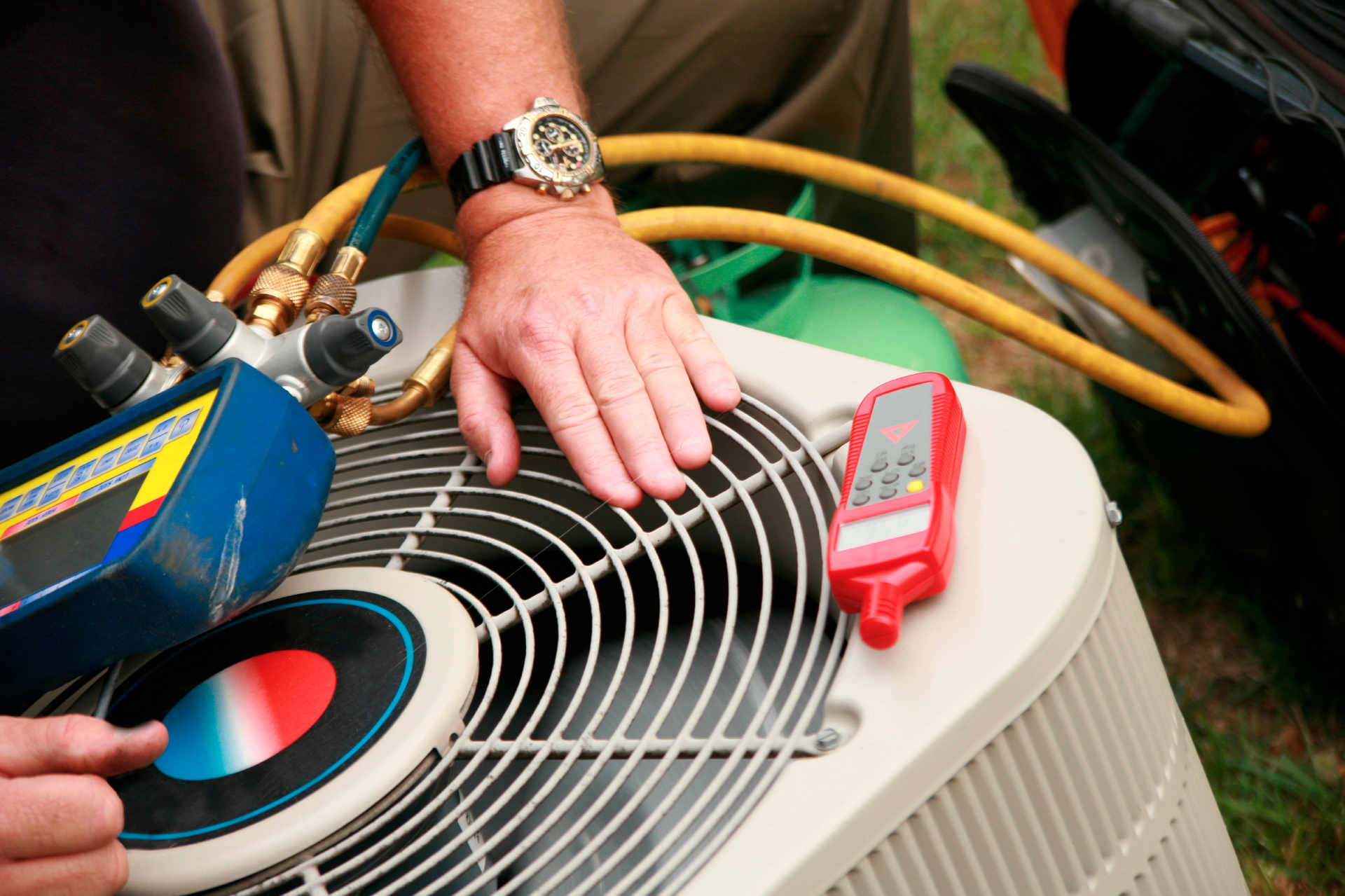
What to expect on arrival A professional tech will arrive in uniform, carry identification, and place protective floor covers. They will run a diagnostic that includes measuring temperature differential across the evaporator coil, checking refrigerant pressure if they have the gauges, inspecting electrical components, and visually examining the outdoor condenser. Listen for clear explanations. You should receive a written summary of findings, the work needed now, and options if you want to prioritize cooling speed over long-term efficiency. The technician should also show you parts they will replace if requested.
Common emergency failures in Tucson and how quickly they can be fixed Refrigerant leaks can range from a simple line repair to a costly evaporator coil replacement. If the leak is at a serviceable fitting and the compressor is fine, techs often repair and recharge same-day. Compressor failures usually require parts that are not carried on every truck, and in hot weather, replacement can take a day or more. Capacitor or contactor failures are among the fastest fixes; technicians often keep these on the truck. Frozen evaporator coils are sometimes caused by airflow problems due to dirty filters or failing blowers, which technicians can often correct the same visit.
When replacement is the practical option If your system is older than 12 to 15 years and needs a major component like the compressor, replacing the entire system might be the smarter long-term choice. New units run significantly more efficiently than older models, and installation often includes better refrigerant lines, updated controls, and improved thermostats that save money on future bills. Good HVAC contractors explain lifecycle cost, not just immediate expense. If you need a new installation, search for "Ac installation in Tucson" and get at least two detailed written proposals that include SEER ratings, equipment brands, and estimated energy savings.
How warranties and parts procurement work in emergencies Some parts come with manufacturer warranties and others with contractor labor warranties. Ask the technician which warranty applies to each replaced component and how claims are handled. Reputable HVAC companies keep parts in local warehouses so they can perform repairs rapidly. If a required part must be ordered, ask whether a temporary fix is safe and how long the wait will be. Insist on a written explanation of any temporary repairs and a follow-up plan.
Dealing with high-demand situations and long wait times If every reputable company is booked, you have options that reduce risk while you wait. First, prioritize physical safety: move vulnerable people to cooler places, use portable fans or evaporative coolers, and hydrate. Second, keep the system off if you suspect electrical problems or burning smells. Third, call your insurance if you have a home warranty or emergency service add-on; some policies cover emergency HVAC work. Finally, be ready to pay a premium for after-hours service if waiting is not acceptable. During peak season, expect surcharge ranges from modest to substantial depending on time of day and supply availability.
Red flags to avoid when you are desperate Beware contractors who demand full payment upfront, refuse to provide a written estimate, or pressure you into expensive replacements without diagnostic evidence. Avoid anyone who says they can only accept cash to get a discount. If a tech uses scare tactics about immediate safety risks without showing the verification and insists on high-cost repairs, ask for a second opinion or call a different company. Reasonable technicians present clear findings and allow you to weigh options.
What to ask after the repair Good companies follow through. Ask for a service report that lists what was tested, repaired, and replaced, along with serial numbers for major parts and warranty documentation. Request recommended maintenance actions to prevent future emergencies, like replacing filters every 30 to 60 days during heavy use, cleaning outdoor https://privatebin.net/?885c1b81e464c205#4iz5MVMa1aw3oTvjb1VmfAEbiy3WJxwKY7mZL9gRBgjL coils quarterly, and scheduling an annual tune-up before the hottest months. If the technician found a secondary problem not addressed because of cost or parts, get an estimate and timeline for completing it.
How to prepare now to avoid future emergency searches Preventive care reduces emergencies dramatically. Schedule a spring tune-up before temperatures climb. Keep a spare filter box in the house and change filters often. Trim vegetation away from outdoor units and keep the area free of dust and debris. If your home is older, consider moving to a slightly larger unit or installing zoned controls to reduce strain on a single system. Keep the contact information for two reliable HVAC contractors handy: one larger company like Plunkett Home Services for fast emergency coverage and one trusted independent for routine maintenance or second opinions.

When you need to escalate: permits, city codes, and major replacements Significant AC installations often require permits and inspections. If a technician suggests replacing major components or the entire system, ask whether permits are included and who handles them. Licensed HVAC contractors and HVAC contractors who install systems in Tucson will typically pull the necessary permits and arrange inspections. That protects you and ensures the work meets local codes.
Final practical checklist to keep at hand Keep this brief card near your thermostat or with your homeowner papers.
Two local contractor contacts, one large firm, one trusted independent. Model and serial number of your outdoor unit and indoor air handler. Last service date and any recent repairs. Photos of the breaker panel and the outdoor unit for quick sharing. Preferred payment method and copy of any warranty paperwork.Real examples from the field A homeowner I worked with had a 2007 system fail during a June heatwave. The first contractor gave a low-ball estimate for a compressor repair that would extend the unit's life by a few months. The second contractor, a locally owned company with better parts access, recommended replacement after demonstrating compressor wear and providing a clear payback analysis. The homeowner chose replacement and avoided recurrent service calls, reduced energy bills, and gained a modern warranty.
Another case involved a simple capacitor failure. The family called at 2 a.m. And a technician from a nearby company arrived within three hours and replaced the capacitor, restoring cooling the same day. The difference was preparedness: the company keeps common parts on trucks and charges a transparent emergency fee.
When to call Plunkett Home Services or similar companies If you prefer a company with deep local roots and an organized emergency response, search "Plunkett Home Services" and similar local names in Tucson. Larger local firms can often provide same-day emergency AC repair near me, have multiple trucks stocked with common parts, and maintain clear follow-up policies. Still, apply the same verification steps: confirm license and insurance, ask for arrival windows, and get written documentation.
Wrap-up thought without platitudes Heat emergencies are stressful but manageable if you act with a checklist and a few simple expectations. Prioritize safety, verify credentials fast, demand transparency, and keep basic system details and two contractor contacts easily accessible. That preparation turns an urgent "emergency AC repair near me" search from a scramble into a controlled decision, saving time, money, and sweat.
Plunkett Home Services
3144 E Fort Lowell Rd, Tucson, AZ 85716, United States
+1 (520) 808-2743
[email protected]
https://callplunkett.com/